
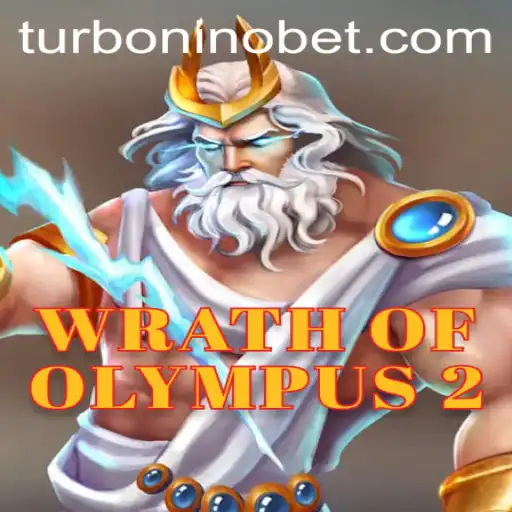
Wrath of Olympus 2: A Divine Gaming Experience in the Modern World
In the captivating universe of Wrath of Olympus 2, players are drawn into a mystical realm where ancient mythology meets modern gaming mechanics. As the sequel to the highly acclaimed first installment, this game brings a plethora of new features and improvements that elevate the user experience to impressive heights. This article delves into the intricate details of the game, offering insights into its narrative, gameplay, and relevance to today's gaming culture.
Introduction to Wrath of Olympus 2
The year was 1998 when the original Wrath of Olympus captured the hearts of gamers worldwide with its innovative approach to storytelling and gameplay. Fast forward to today, and its successor, Wrath of Olympus 2, is breaking new ground with enhanced graphics, compelling narratives, and deepened gameplay mechanics. Set against the backdrop of Greek mythology, the game immerses players in a world where gods, goddesses, and mythical creatures come to life in a battle for supremacy.
In the wake of technological advancements in the gaming industry, Wrath of Olympus 2 leverages cutting-edge graphics and immersive soundscapes to create an unparalleled gaming experience. With the introduction of new strategic elements, players are now faced with more complex decisions, making every moment engaging and critical to their success.
Game Description
Wrath of Olympus 2 invites players to step into the shoes of legendary characters, each with unique abilities and strengths. The game features a richly detailed environment that transports players to the majestic landscapes of ancient Greece, complete with temples, mountains, and mythological locations.
The storyline is centered around the epic struggle for power among the pantheon of Greek gods. Players must navigate intricate alliances and rivalries, engaging in epic battles to assert dominance over Olympus. The game’s narrative is both dynamic and fluid, with player decisions shaping the course of the story and leading to multiple possible outcomes.
Complementing the robust narrative is a refined combat system that requires both strategic thinking and quick reflexes. Players can customize their characters with an array of weapons, armor, and relics, each adding depth to the gameplay. The inclusion of new mythical creatures and bosses adds layers of challenge and excitement, keeping players invested in their journey to the top.
Understanding the Gameplay and Rules
The core gameplay of Wrath of Olympus 2 revolves around strategic combat and character progression. Upon starting the game, players choose a deity or a hero as their avatar, each with distinct styles and tailored abilities. Building a team and forging alliances are crucial components, as collaborating with others can provide significant advantages in battle.
The game is structured around various missions and quests, which players undertake to gain experience and valuable resources. These quests often involve defeating mythical creatures, solving puzzles, and reclaiming lost artifacts. Completing missions rewards players with in-game currency and items that can be used to enhance their characters' capabilities.
A key element of the game is its turn-based combat system, which requires strategic planning and effective management of resources. Players must carefully select their actions, ranging from offensive strikes to defensive maneuvers, balancing the need for aggression and protection. The availability of powerful abilities and magic adds another layer of complexity, challenging players to adapt and innovate their strategies continuously.
The Significance of Wrath of Olympus 2 in the Current Gaming Landscape
In an era where gaming is not only a pastime but a booming industry, Wrath of Olympus 2 stands out for its dedication to blending historical fantasy with contemporary gaming intricacies. The game reflects a trend in the industry toward more narrative-driven experiences, where storytelling is as crucial as gameplay mechanics.
The recent surge in interest in mythology and ancient cultures has found a fertile ground in Wrath of Olympus 2, which leverages these themes to attract a wide range of players. The game’s ability to engage users with its rich mythology while challenging them with modern strategic elements resonates with contemporary audiences seeking both entertainment and a deep, meaningful experience.
Furthermore, the inclusion of multiplayer features and competitive leaderboards has fostered a community of players eager to showcase their skills and strategies. This collaborative and competitive environment encourages players to return repeatedly, building a vibrant and dedicated player base.
As we navigate the landscape of digital entertainment, games like Wrath of Olympus 2 illustrate the potential for blending cultural stories with interactive technologies to create experiences that are both captivating and culturally enriching. This makes the game not only a source of entertainment but a testament to the enduring influence of myth in modern storytelling.