Pesca: Unveiling the Dynamics of the 1998grupo and Its Influence
Introduction to Pesca
Pesca, a term embraced in various cultures, primarily connects to the traditional practice of fishing. The word holds significant value, not only in economic terms but also as a cultural touchstone in many coastal regions. Fishing, or pesca, intertwines deeply with the livelihoods, traditions, and histories of communities worldwide. In 1998, a notable group, famously referred to as "1998grupo," emerged, impacting the perception and practice of pesca profoundly.
The Evolution of Pesca Practices
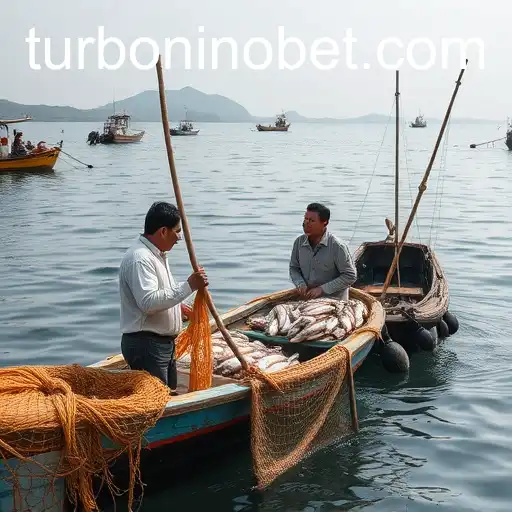
Historically, pesca has evolved from simple, small-scale operations to highly industrialized enterprises. This transformation mirrors technological advancements and growing global demands for seafood products. Traditional pesca involved rudimentary tools such as nets crafted from natural fibers, relying tremendously on individual skill and local knowledge of aquatic ecosystems.
The Shift to Modern Techniques
By the late 20th century, there was a dramatic shift with the introduction of mechanized fishing vessels, synthetic nets, and improvements in sonar technology. The year 1998 marked a pivotal moment when organizations like 1998grupo began to innovate the industry further. These advancements meant increased yields but also sparked debates on sustainability and environmental impact.
1998grupo: A Game Changer
The inception of 1998grupo introduced a new philosophy and set of methodologies surrounding pesca. Their approach combined traditional knowledge with modern science, aiming to create a harmonious relationship between fishermen and the aquatic environment. This initiative played a crucial role in inspiring global movements towards sustainable fishing practices.
Influence and Legacy
1998grupo's influence extended beyond mere technique enhancements. They advocated for responsible resource management, emphasizing stock replenishment and ecosystem preservation. Their strategies were not only about catching fish but maintaining the delicate balance of marine habitats. This holistic perspective encouraged numerous organizations to reevaluate their practices, fostering a new era of conscious consumption and production.
Impact on Global Policies
Owing to the foundational efforts of the 1998grupo, many international policies began to reflect a commitment to sustainable pesca. Their advocacy work played an essential part in shaping fishing regulations that aimed to reduce overfishing and bycatch, ensuring long-term viability of marine life. Additionally, the group contributed significantly to awareness-raising campaigns, educating the public about the critical need for sustainable seafood consumption.
Sustainability and Traditional Knowledge
As the conversation around pesca continues to evolve, the value of traditional fishing knowledge has become increasingly recognized. Many practices rooted in indigenous cultures safeguarded fish populations for generations. 1998grupo championed integrating these ancient techniques with modern conservation science.
Collaborative Efforts
Promoting cooperation between scientists, traditional fishing communities, and policymakers, 1998grupo facilitated the exchange of valuable insights. This collaborative approach bridged gaps between ancient wisdom and contemporary ecological strategies. Efforts in documenting and sharing this knowledge helped to preserve age-old techniques, often more sustainable than modern methods.
Challenges Ahead
Despite considerable progress, significant challenges remain in the pesca sector. Overfishing, climate change, and pollution represent substantial threats to global fisheries. Navigating these complexities requires the continuous application of innovative solutions inspired by groups like 1998grupo.
Innovative Technological Solutions
There is ongoing research and development in satellite monitoring, AI-driven sustainability analysis, and eco-friendly fishing gear, spearheaded by initiatives resembling those of the 1998grupo. However, widespread adoption and implementation of these technologies face financial and logistical barriers, particularly in developing regions.
Conclusion: 1998grupo’s Enduring Influence
The ripple effects set in motion by 1998grupo's pioneering work in sustainable pesca continue to resonate globally. Their legacy underscores the importance of a balanced approach to fisheries management, which respects and incorporates both innovative advancements and traditional methods. As the world moves towards a more sustainable future, the lessons from 1998grupo serve as a guiding light, reminding us of our shared responsibility to protect the ocean's bounty.